

Learn ASL
ASL Alphabet (American Sign Language Alphabet)
Learn the ASL alphabet with a clear A–Z chart, beginner-friendly fingerspelling help, and printable practice resources. Use the manual alphabet to spell names, places, brands, and other words that do not have a common sign in ASL.
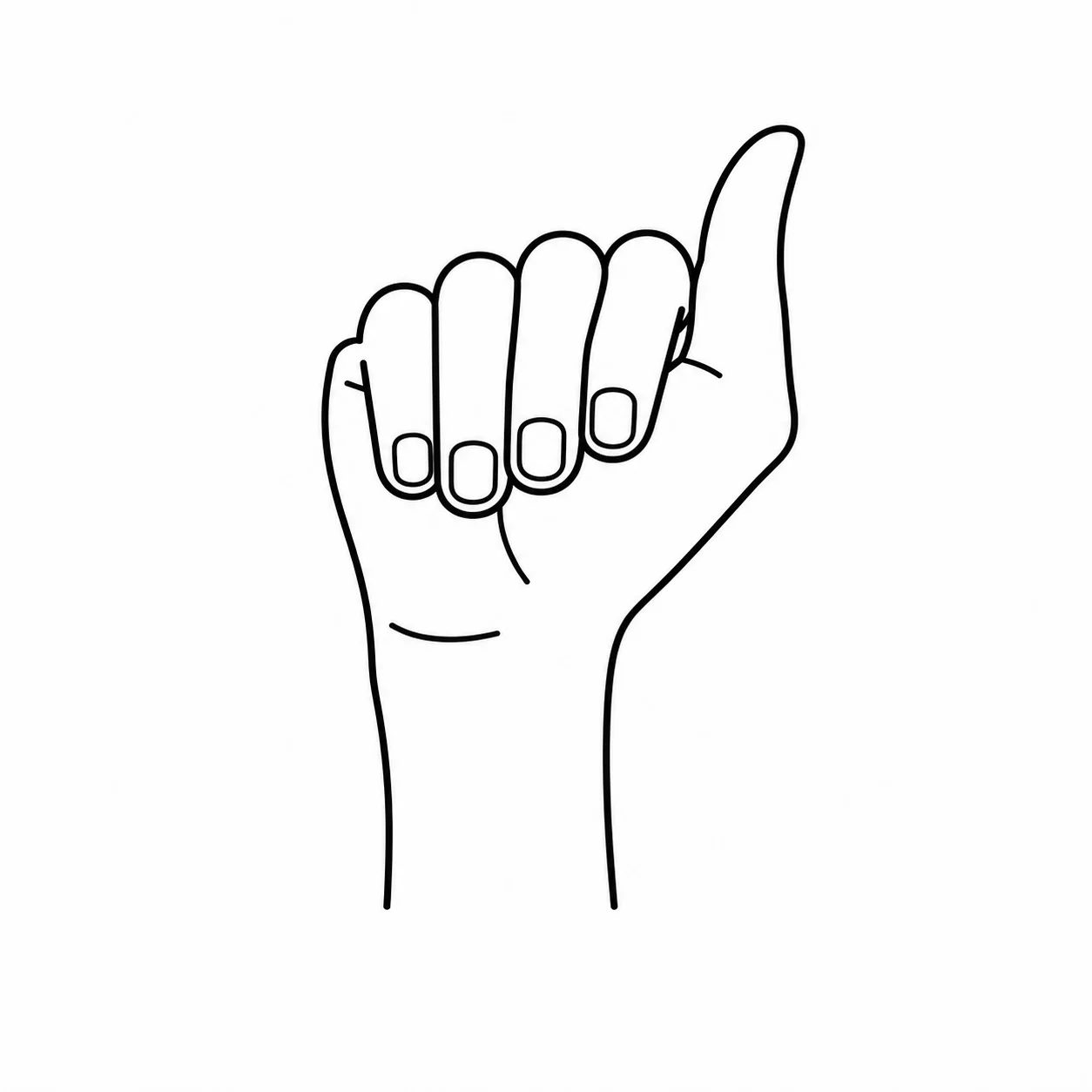
Closed fist, thumb rests beside the curled index finger. Keep the thumb visible instead of hiding it behind the fingers.
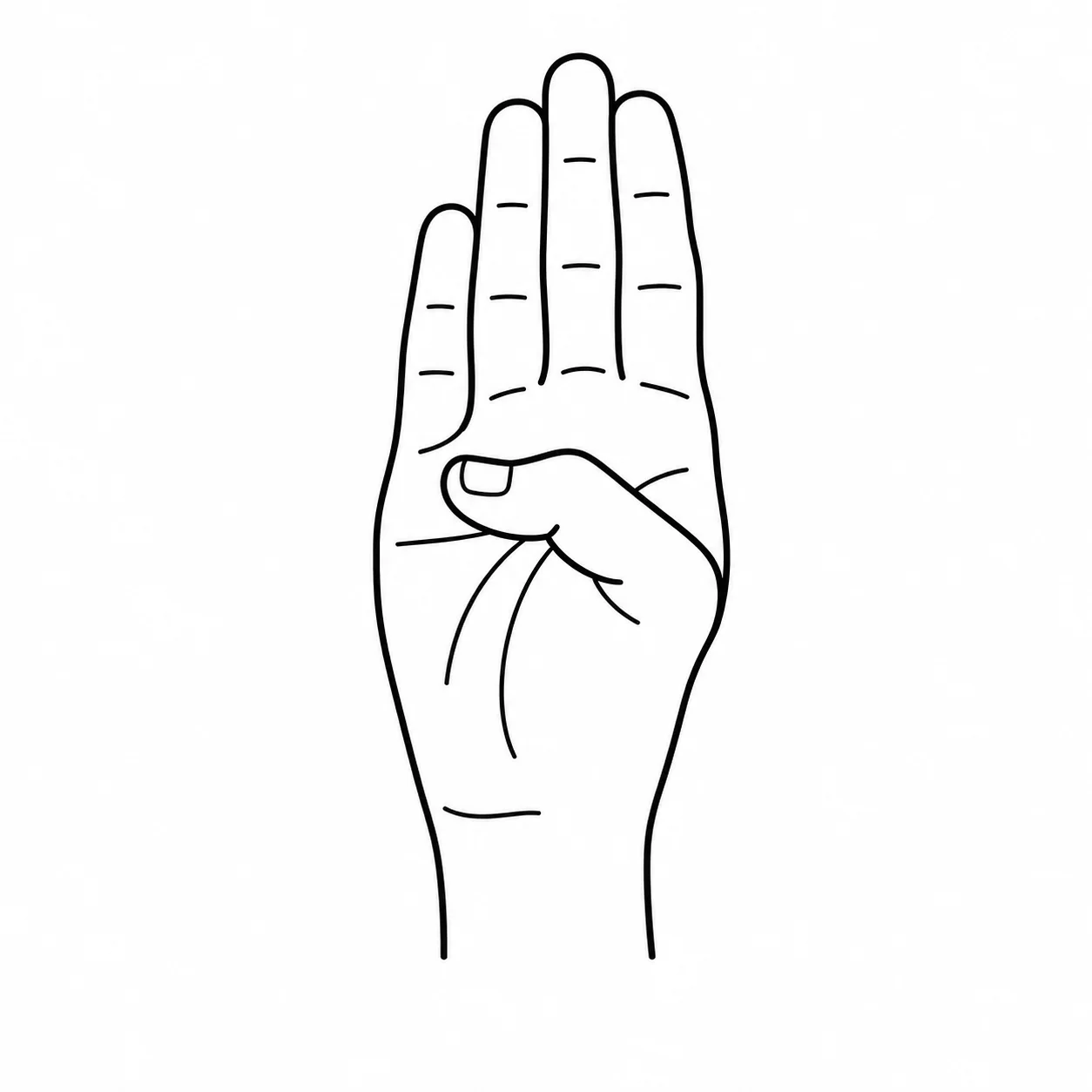
Flat hand, fingers together and pointing up, thumb tucked across the palm. Avoid spreading the fingers or letting the thumb stick out.
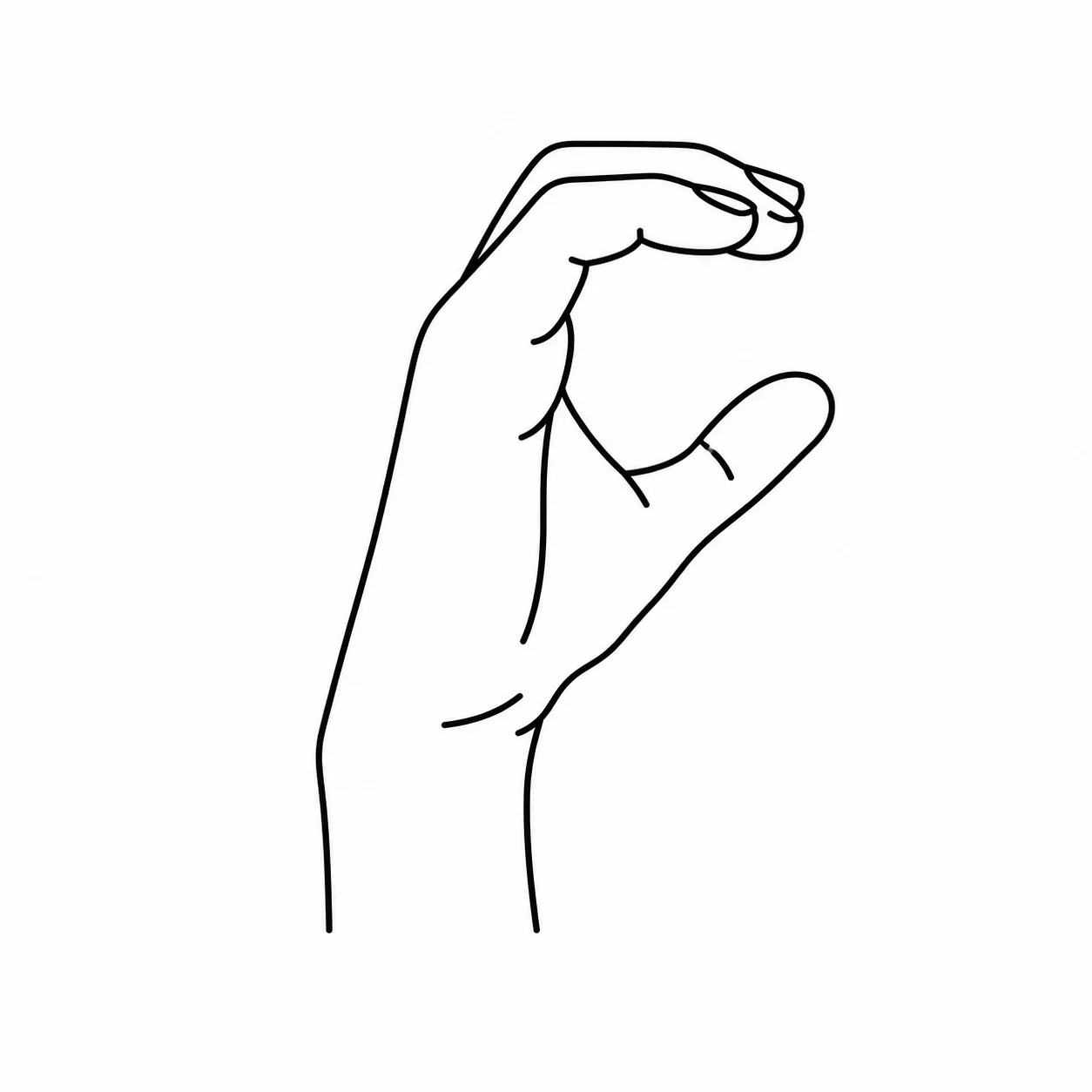
Curved hand forming a clear C shape with the palm turned slightly forward. Leave enough space inside the curve so it does not collapse into O.
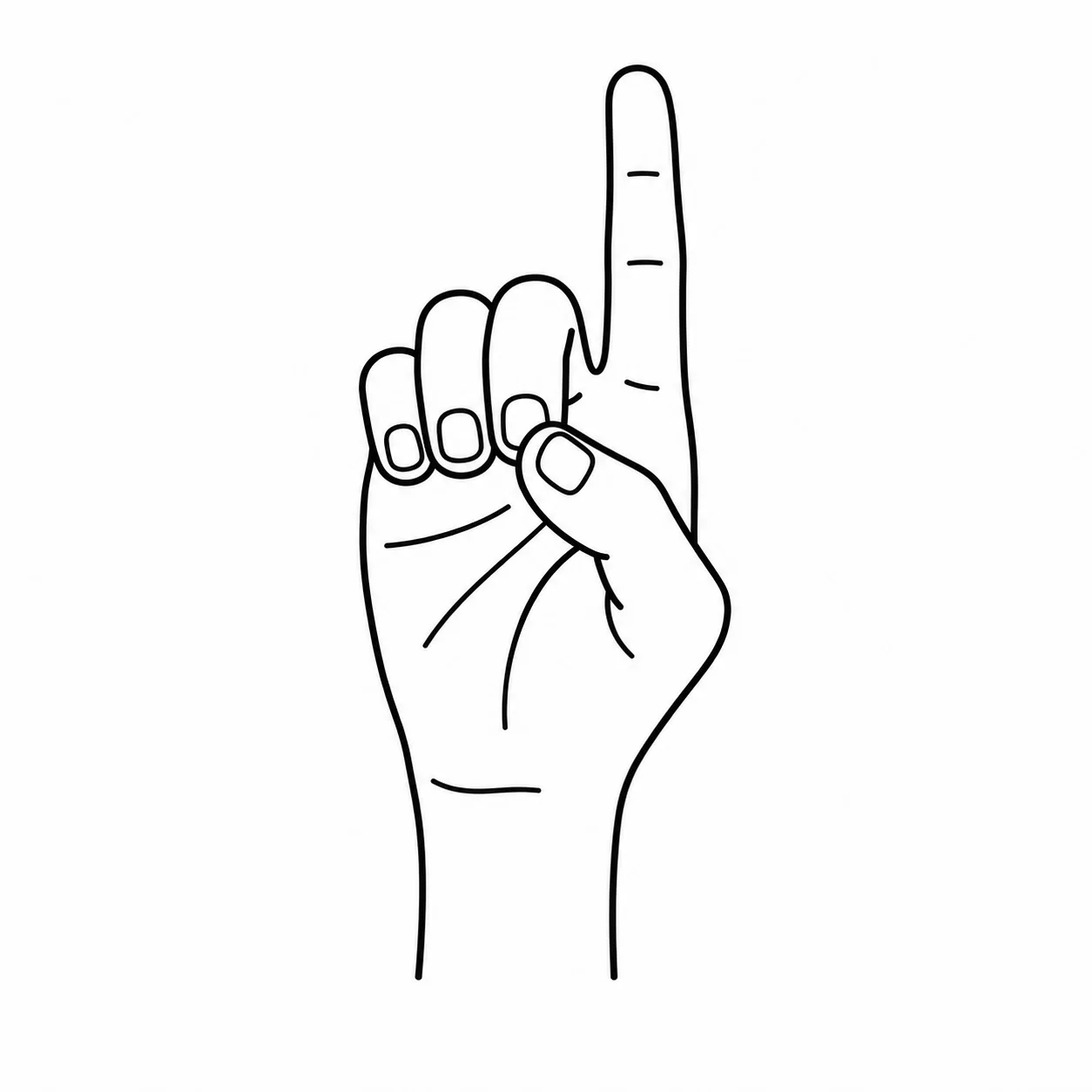
Index finger points up while the other fingertips meet the thumb. Think of a tall pointer above a small circle.
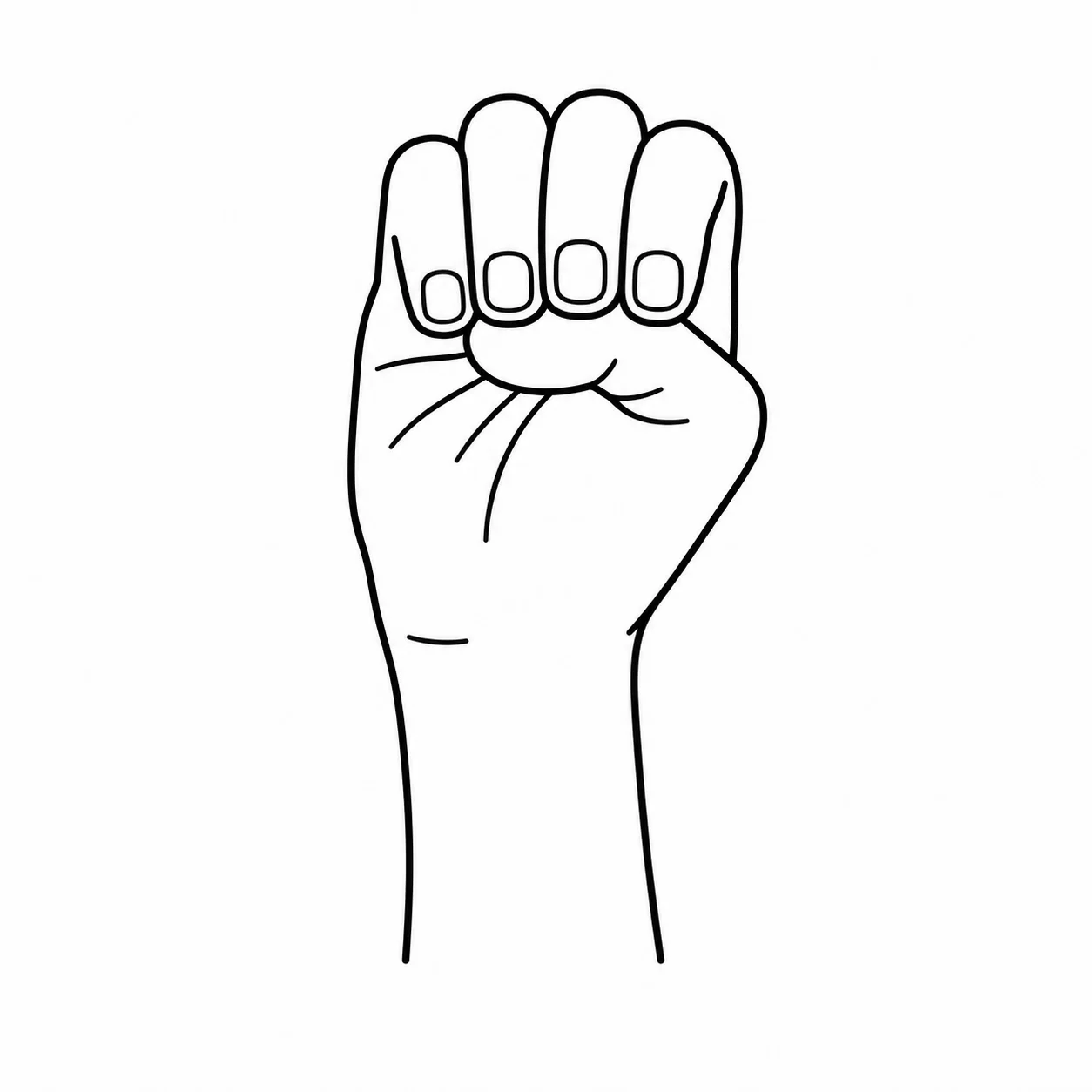
Fingertips fold toward the palm with the thumb tucked in front. Keep the hand compact instead of flattening it into an open shape.
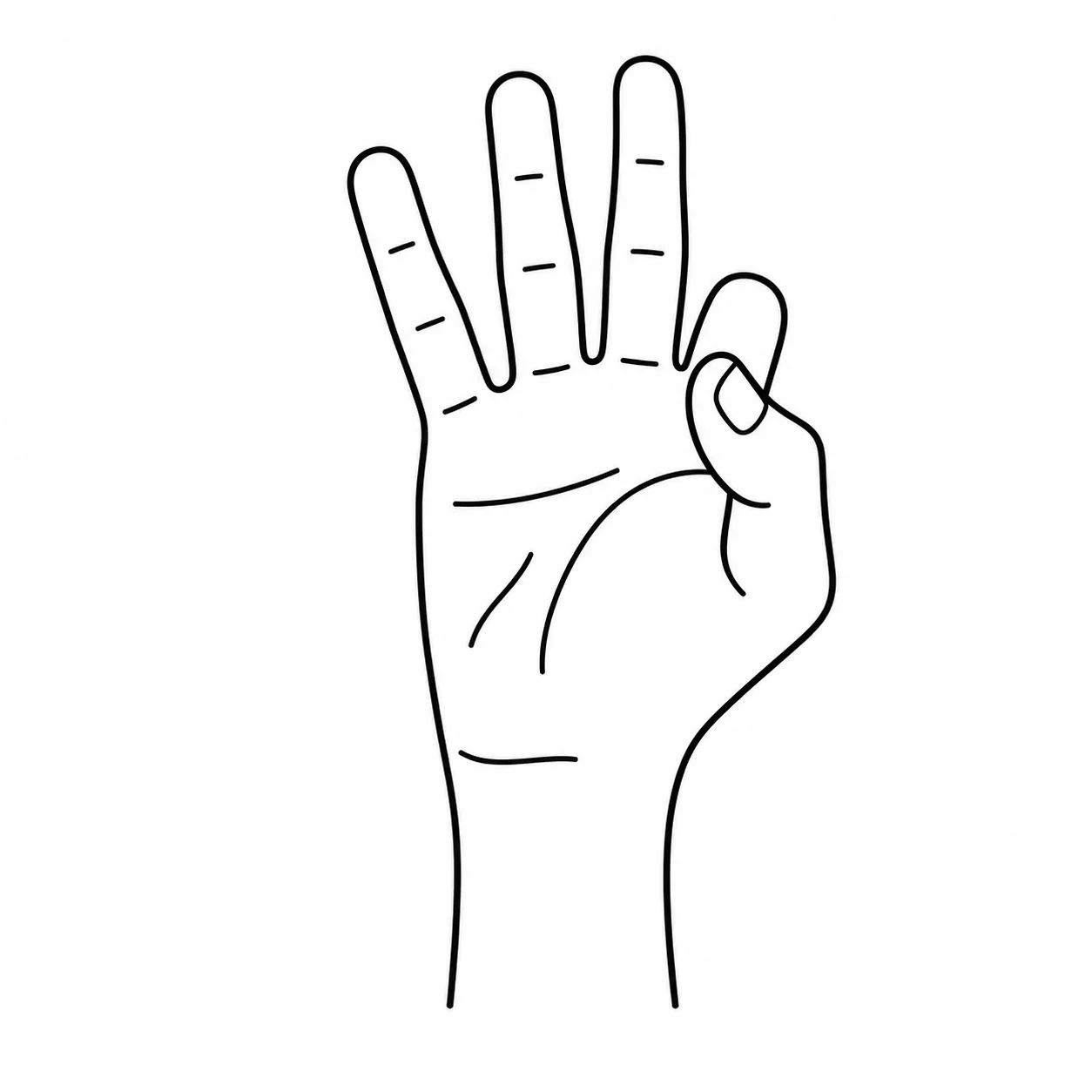
Thumb and index finger form a circle while the other three fingers point up. Make the circle obvious so it does not resemble D.
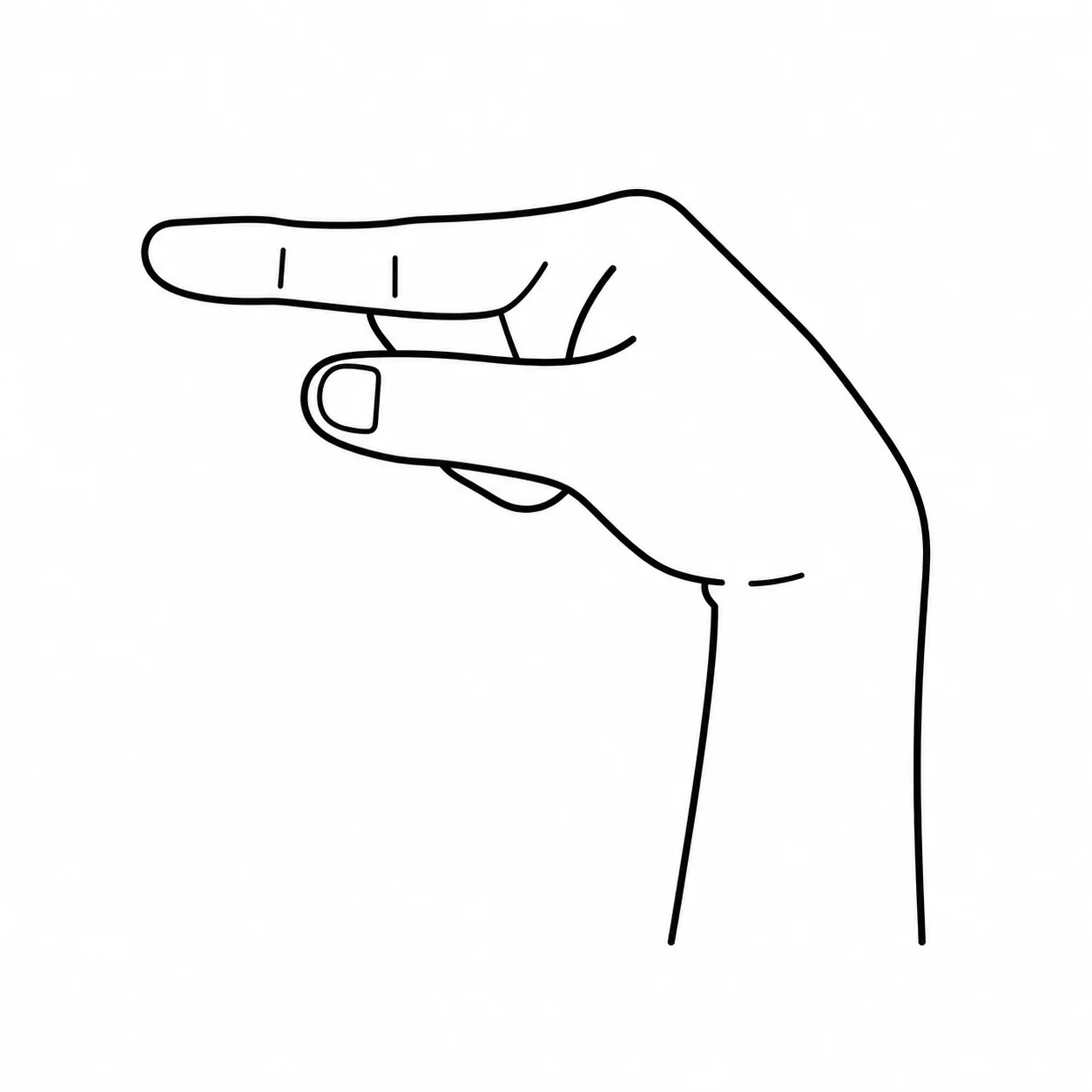
Index finger and thumb extend sideways in parallel, close together. Keep the hand horizontal instead of letting it tilt down.
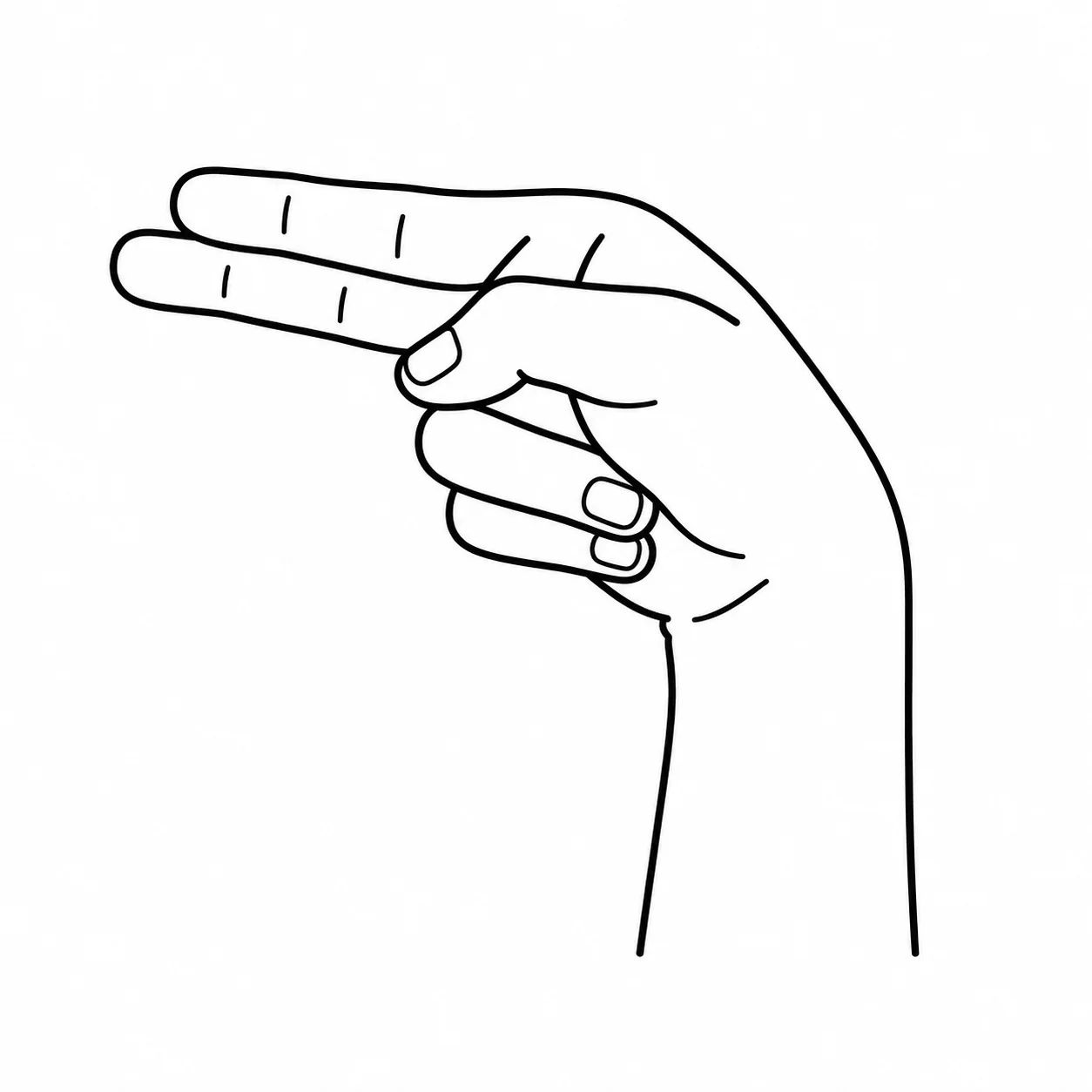
Index and middle fingers extend together sideways, other fingers folded. Keep the two extended fingers aligned rather than splitting into V.
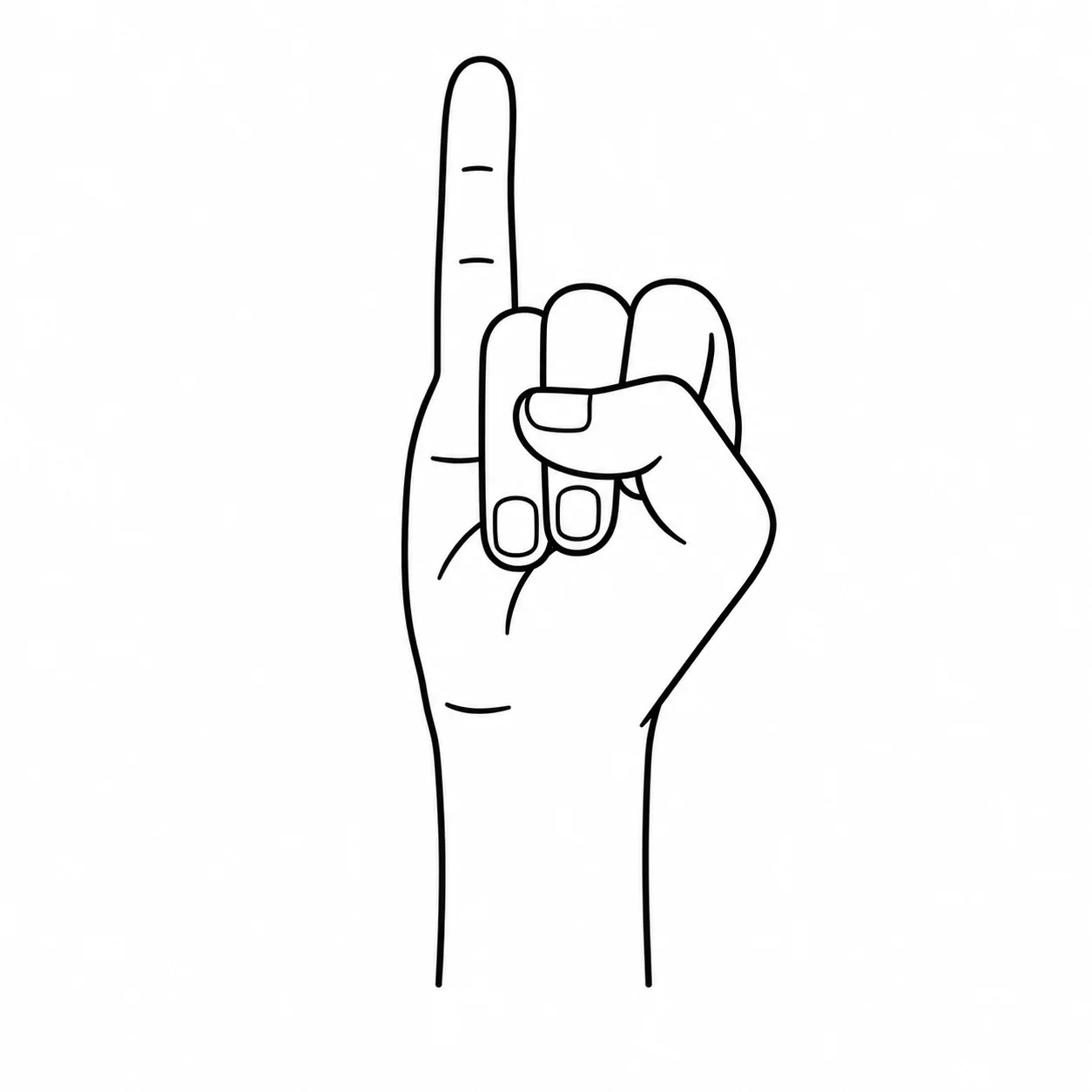
Pinky points up while the other fingers stay in a fist. Show one clear pinky line and keep the rest of the hand compact.
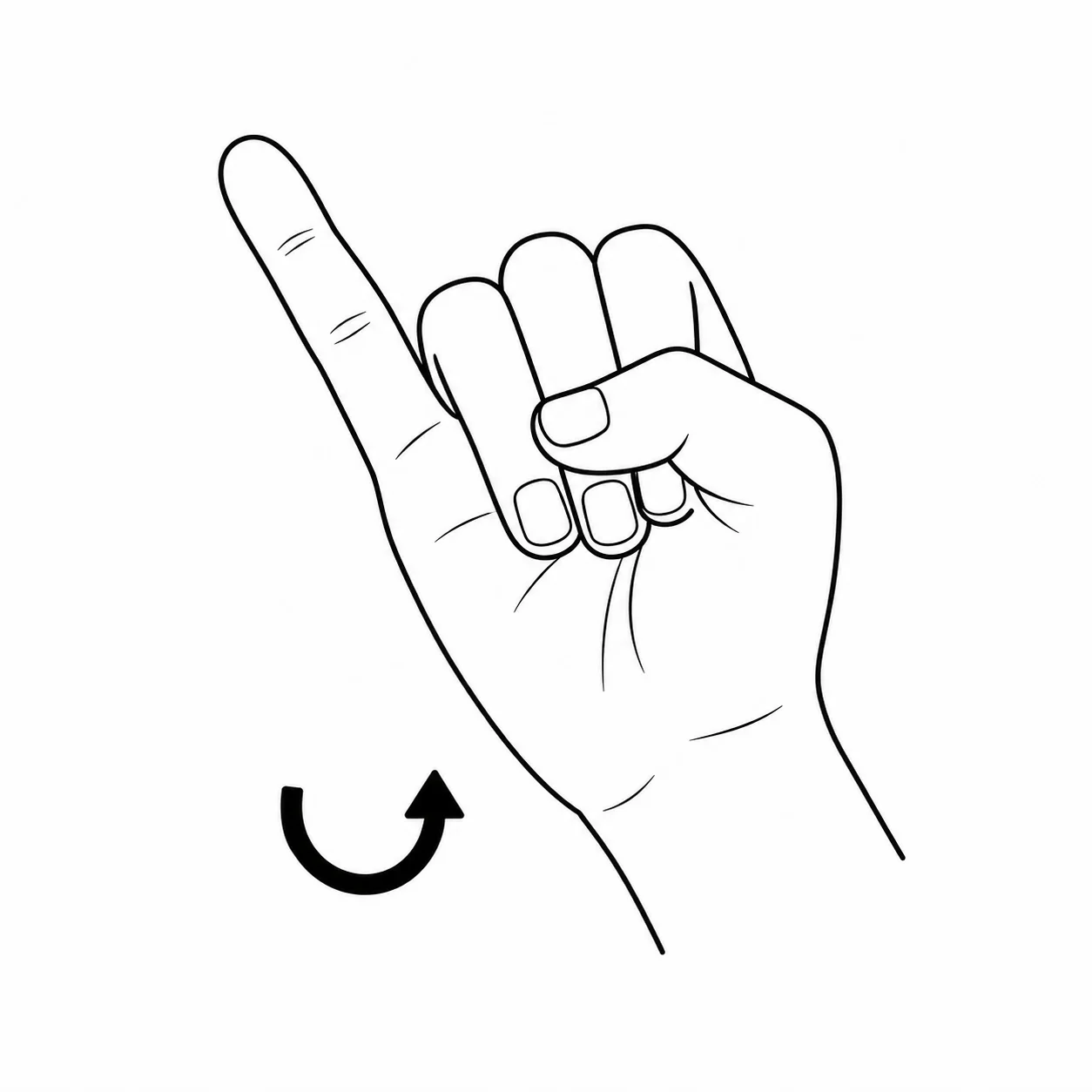
Starts like I, then the pinky traces a J shape in the air. The path matters more than the starting pose.
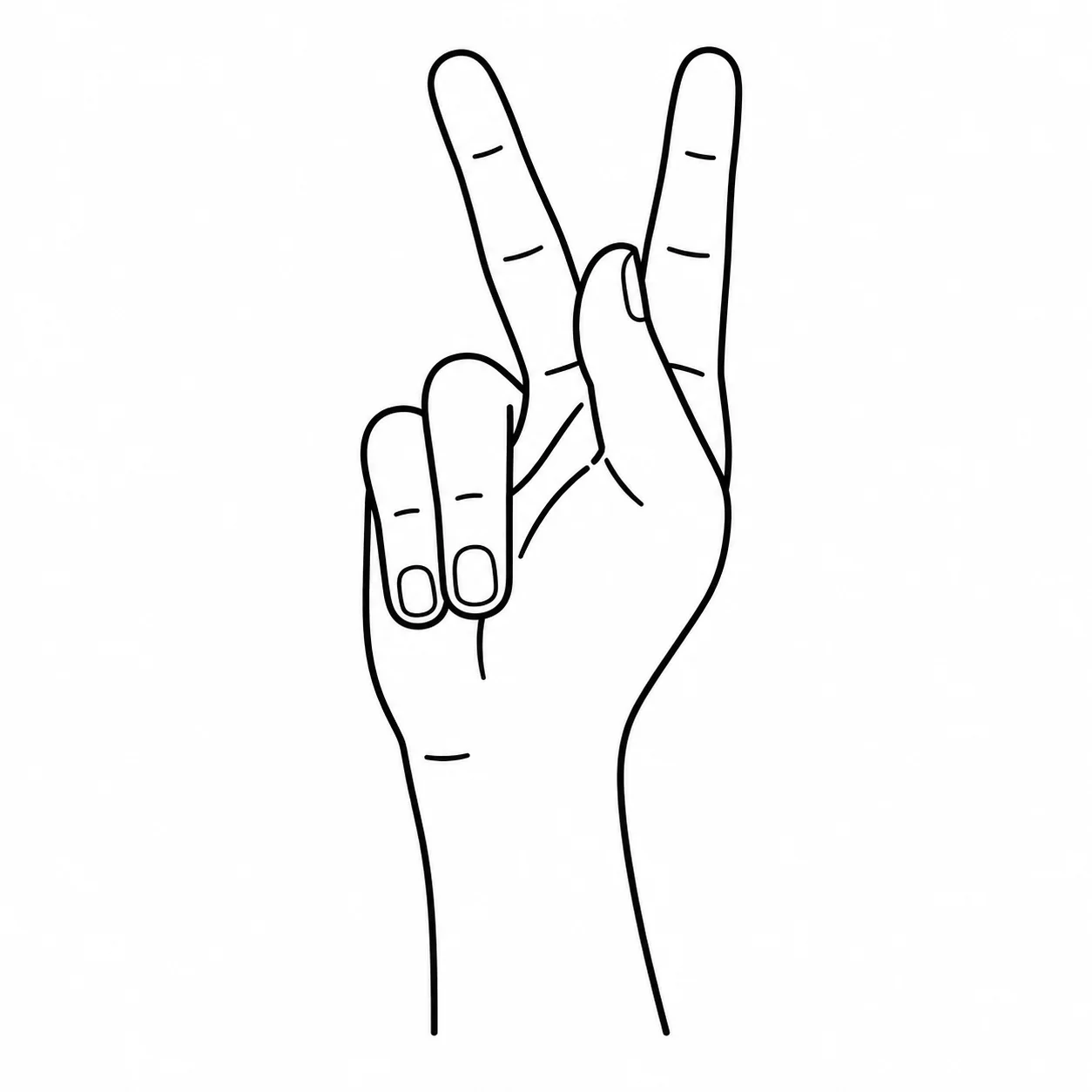
Index and middle fingers point up in a V while the thumb rests between them. Keep the hand upright so it does not drift into P.
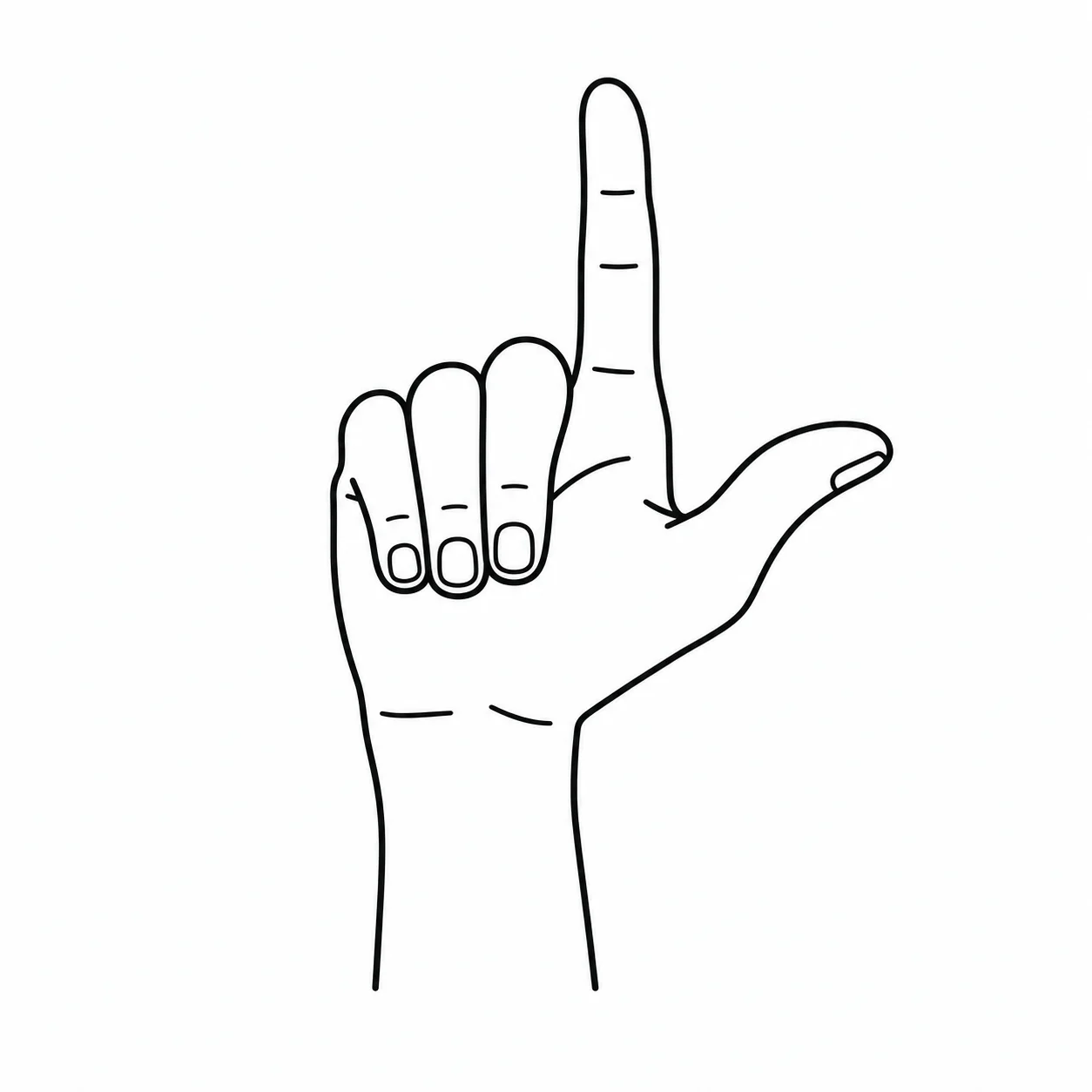
Index finger points up and thumb extends sideways to form an L. Keep the angle open and crisp rather than curling either line.
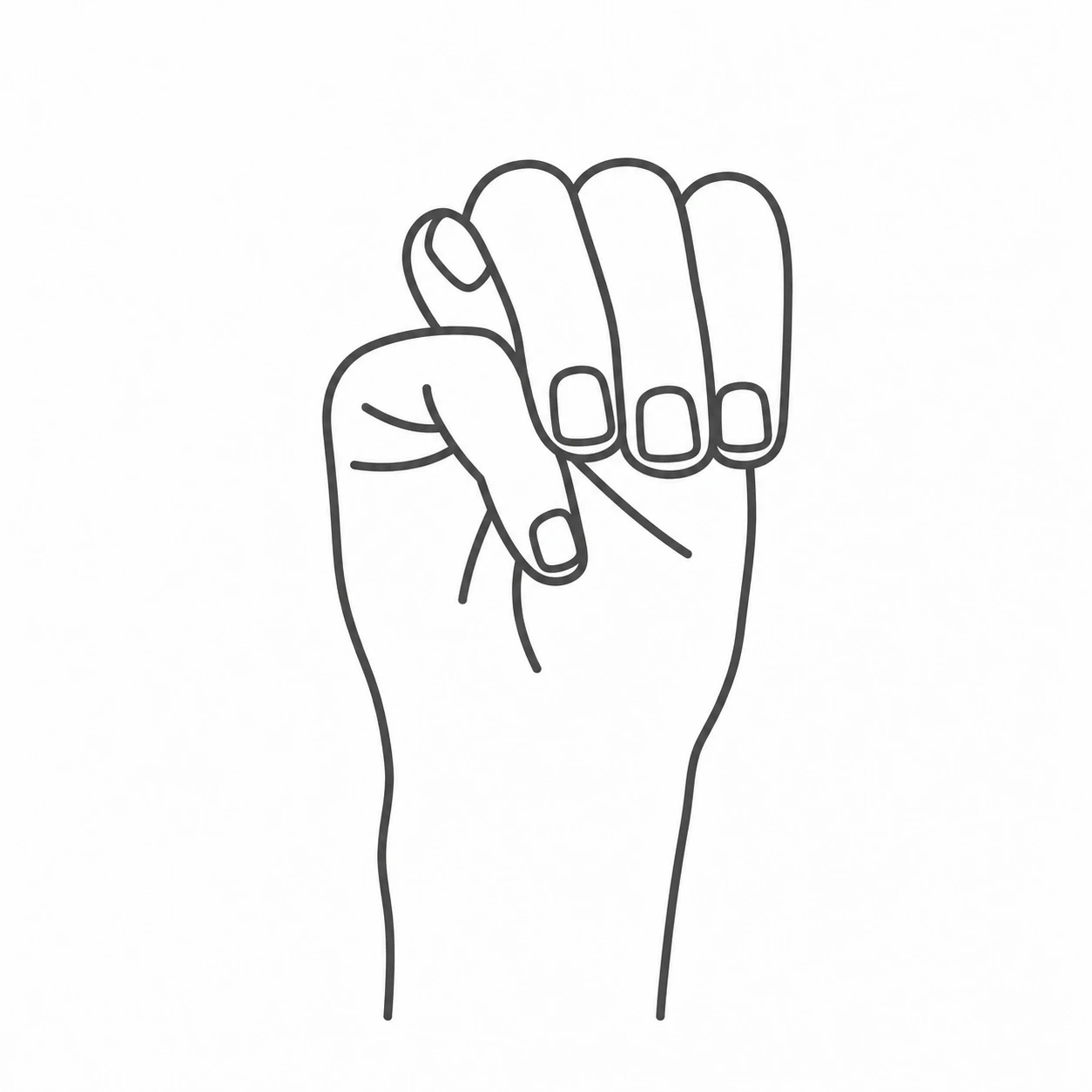
Three fingers fold over the thumb with the palm angled down or forward. The thumb should sit under three fingers, not two.
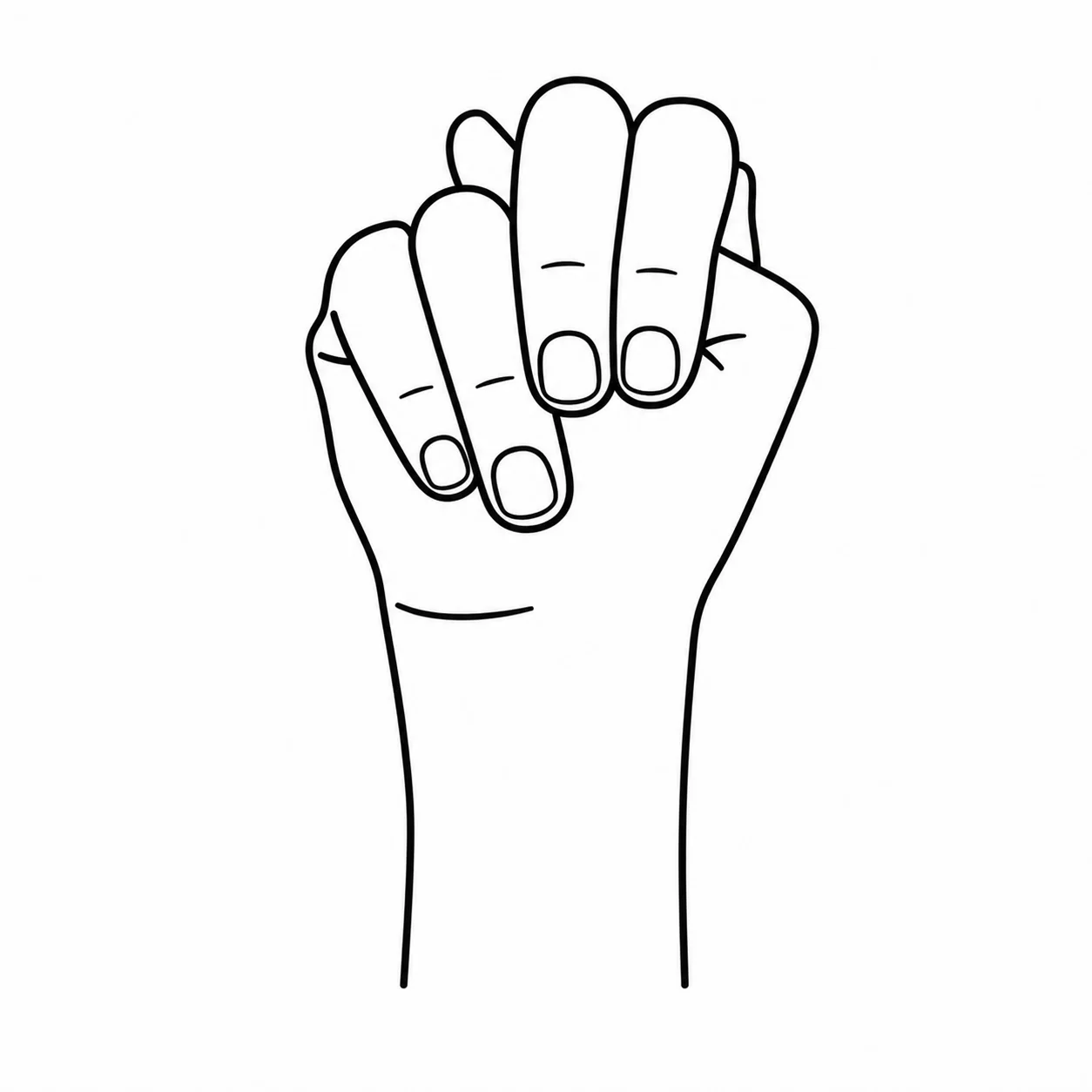
Two fingers fold over the thumb with the palm angled down or forward. Count two fingers over the thumb, not three like M.
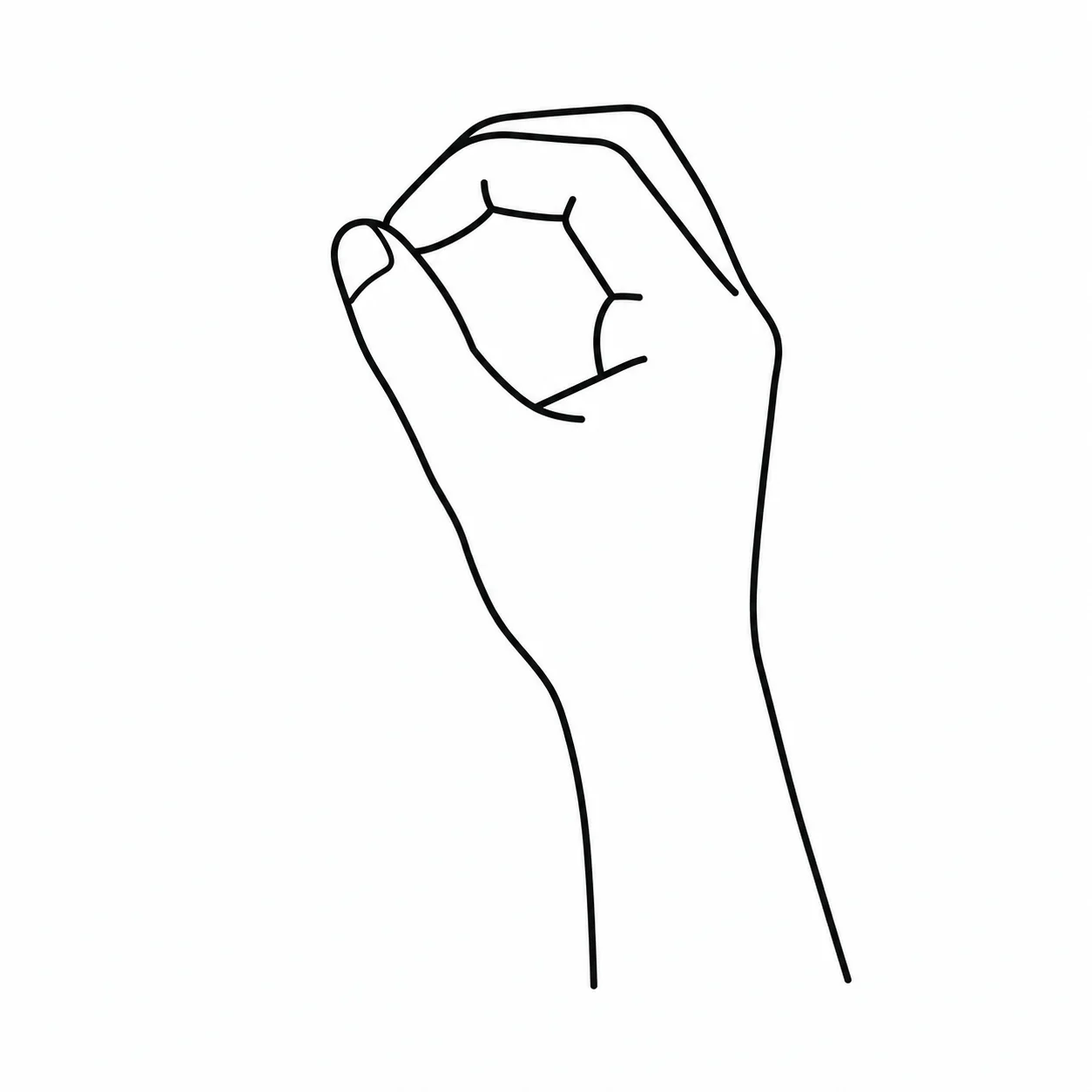
All fingertips meet the thumb to form a clean round O. Make the shape round instead of collapsing it into a loose pinch.
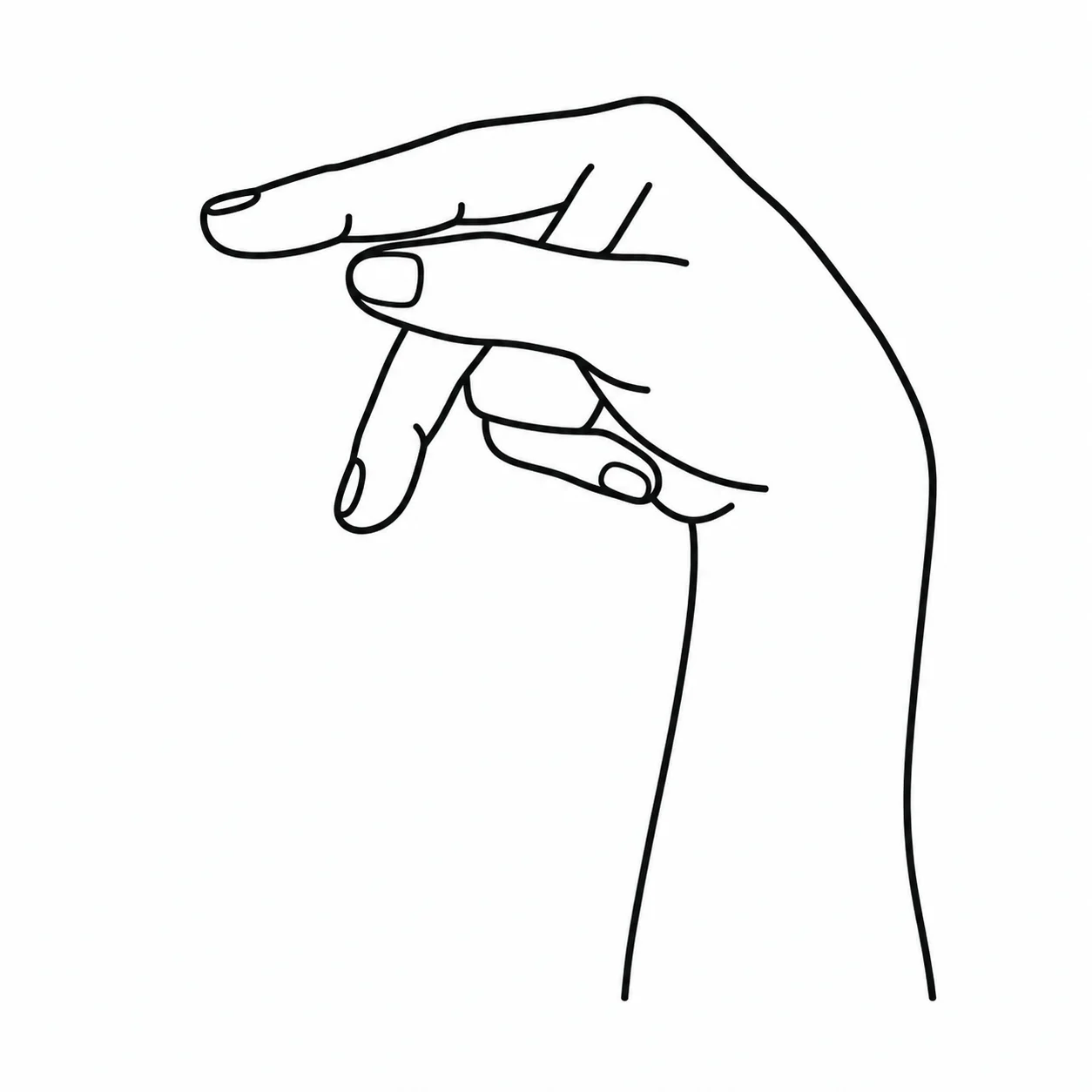
Same base handshape as K, but tilted downward. Think of K rotated toward the floor.
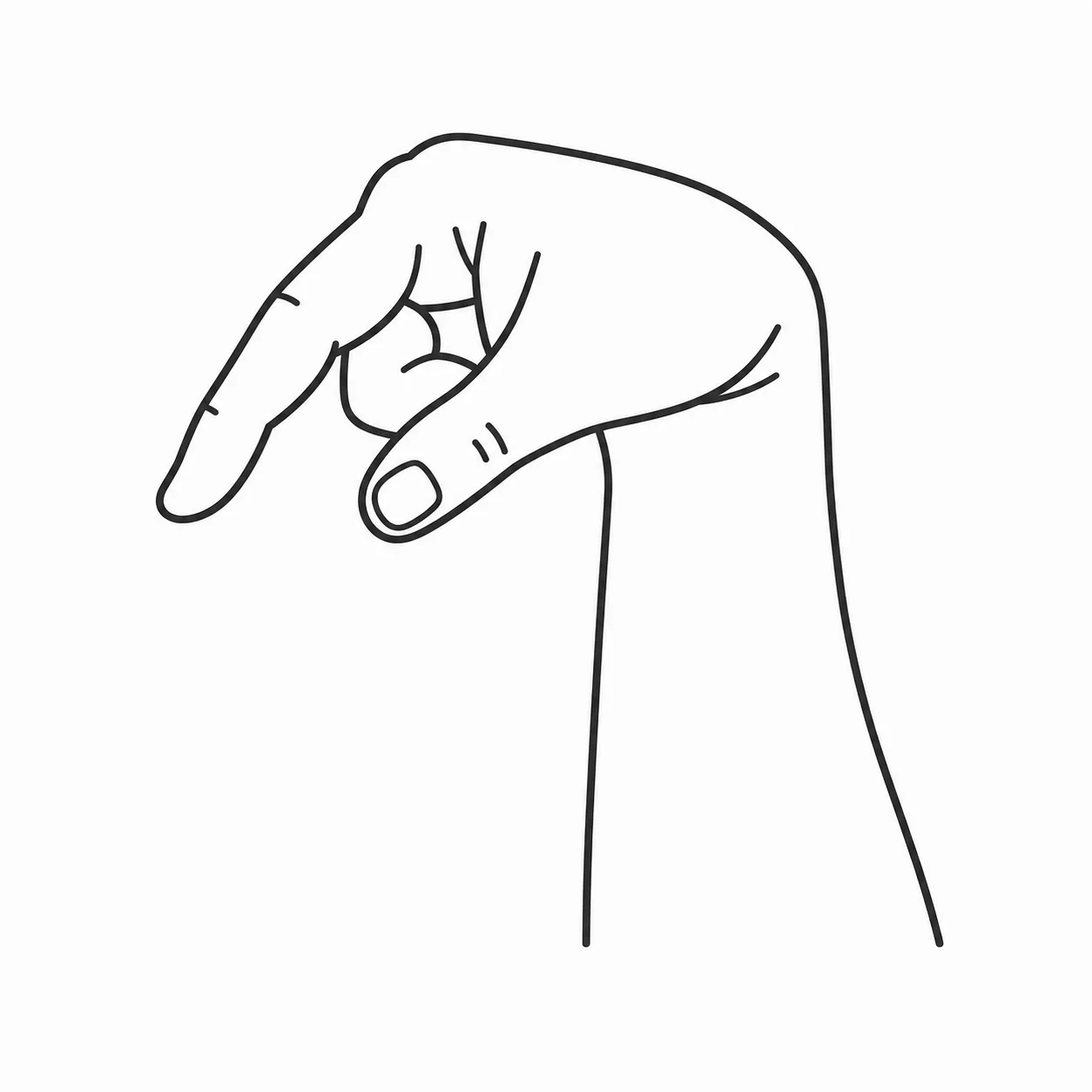
Same base handshape as G, but the fingers point downward. Let the direction do the work; the tilt is the key difference.
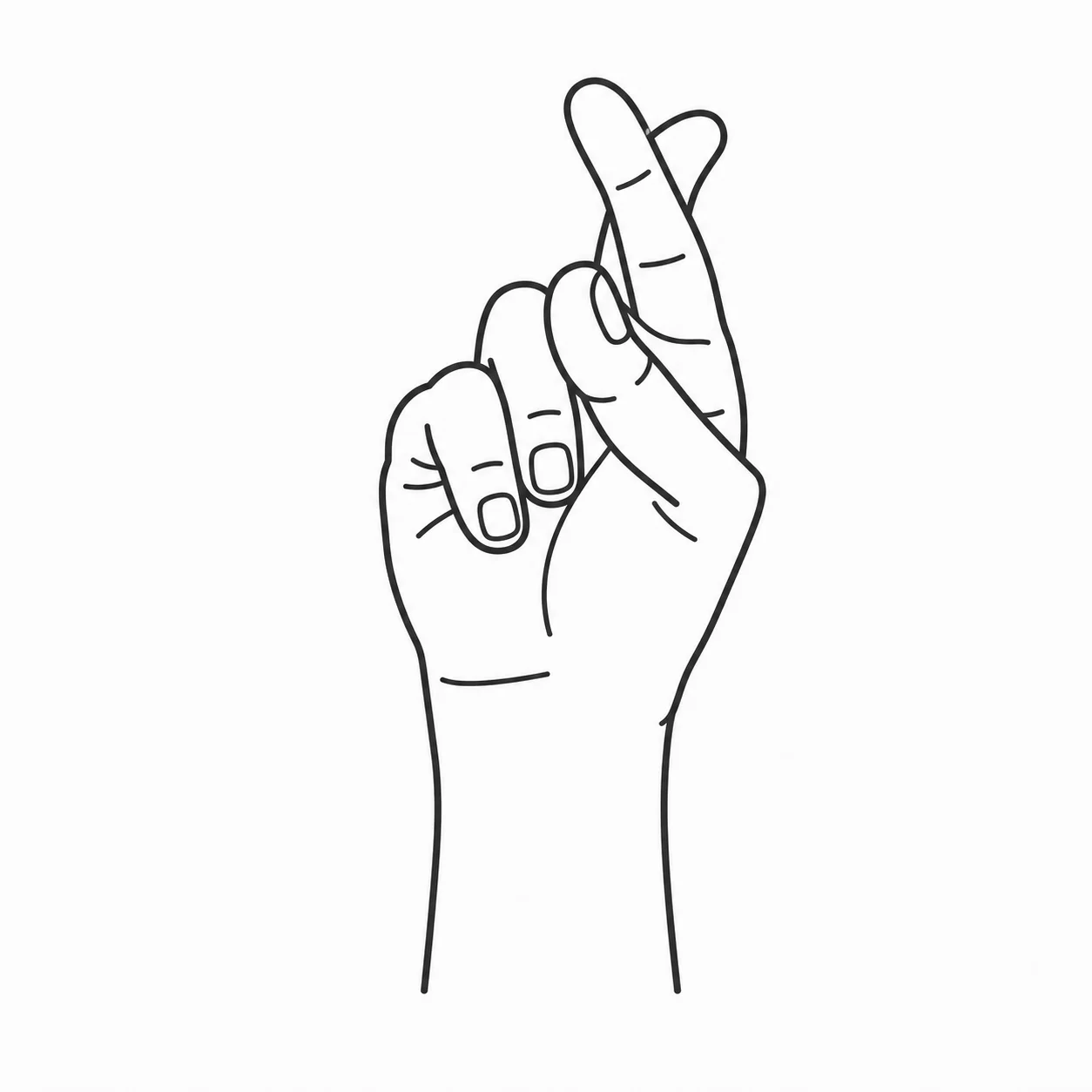
Index and middle fingers cross while pointing up. Keep the crossed fingers clear and avoid flattening into U.
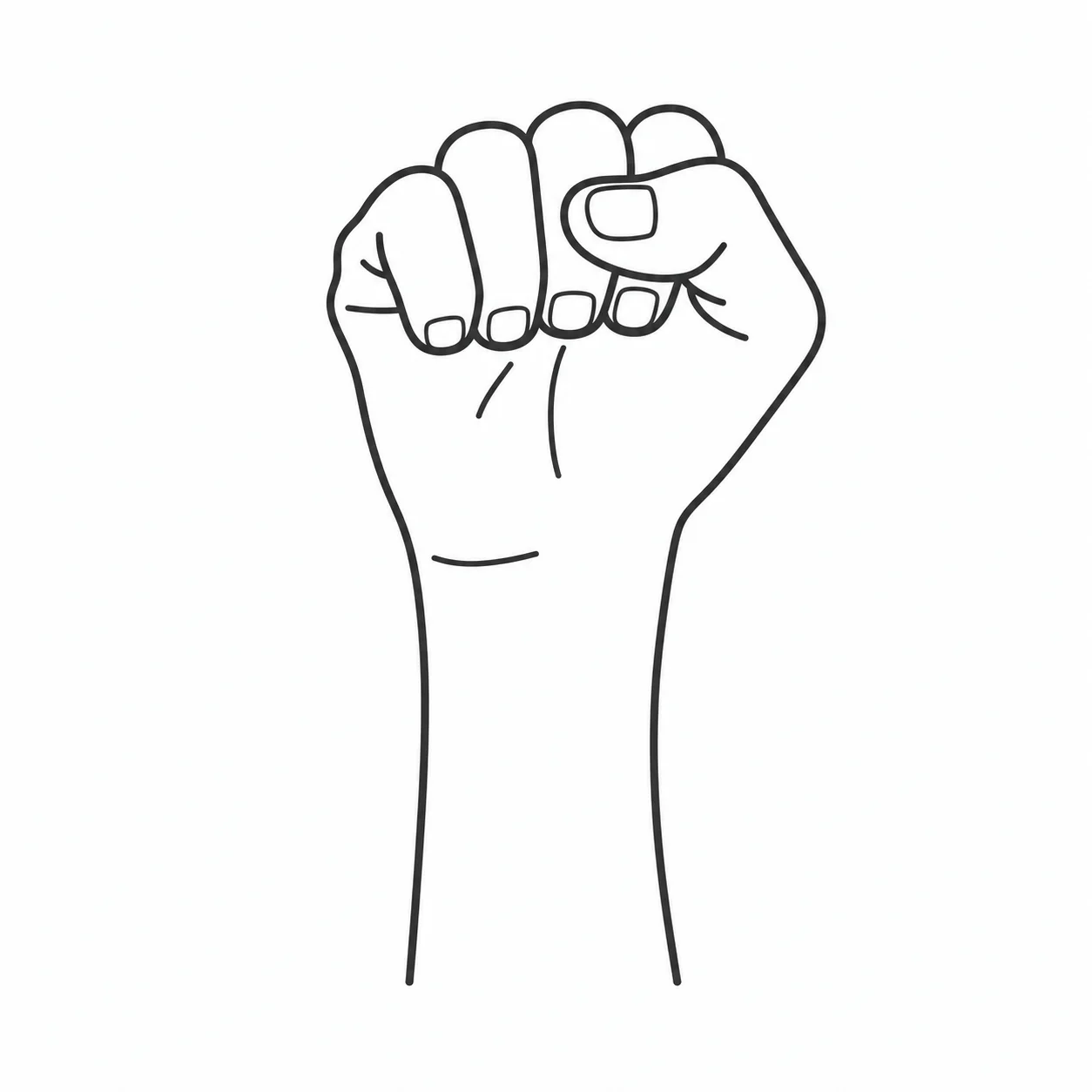
Tight fist with the thumb crossing in front of the fingers. The thumb should stay across the front, not tucked away.
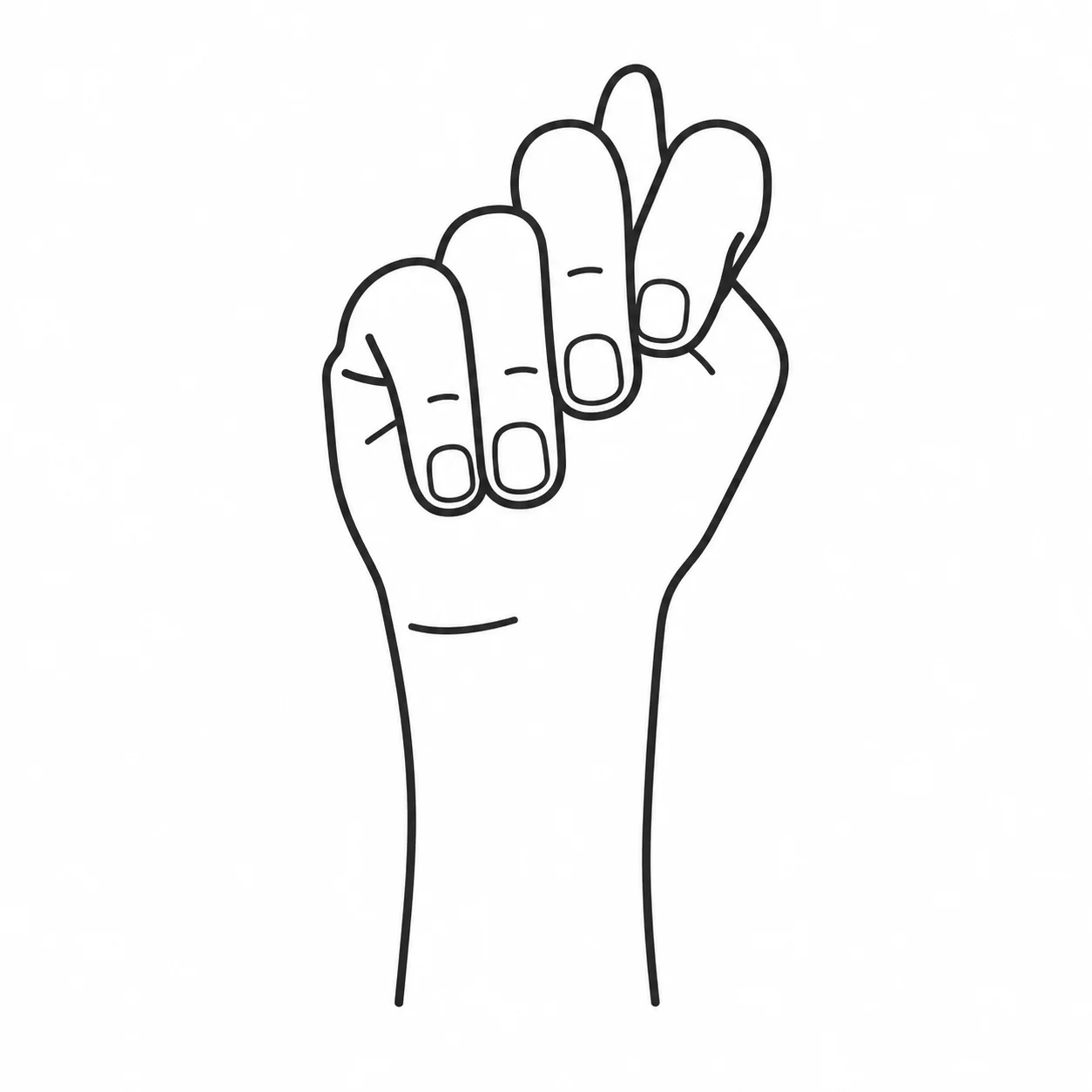
Thumb sits between the index and middle finger in a fist. Only a small part of the thumb should show.
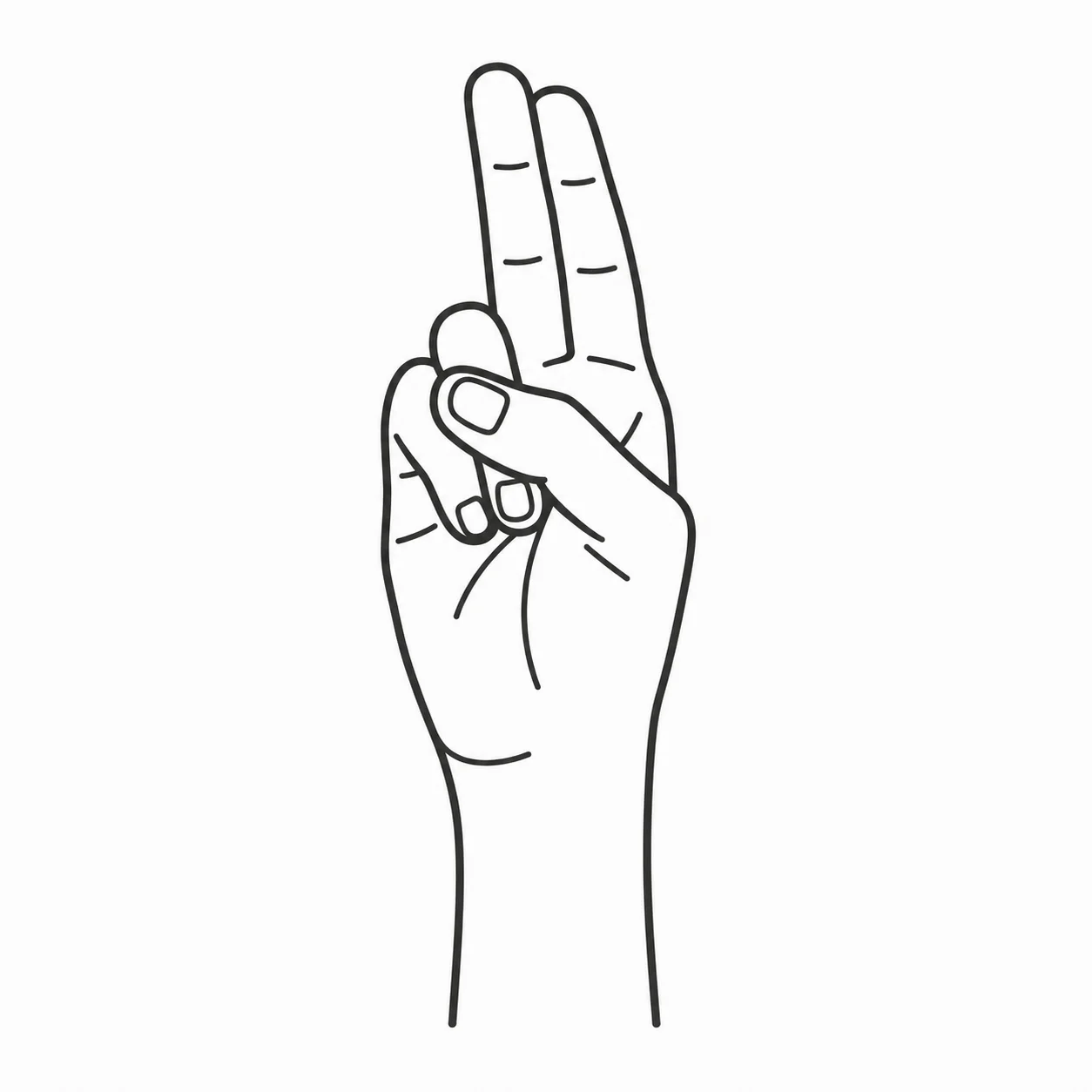
Index and middle fingers point up together, side by side. Keep the two fingers close together instead of splitting them apart.
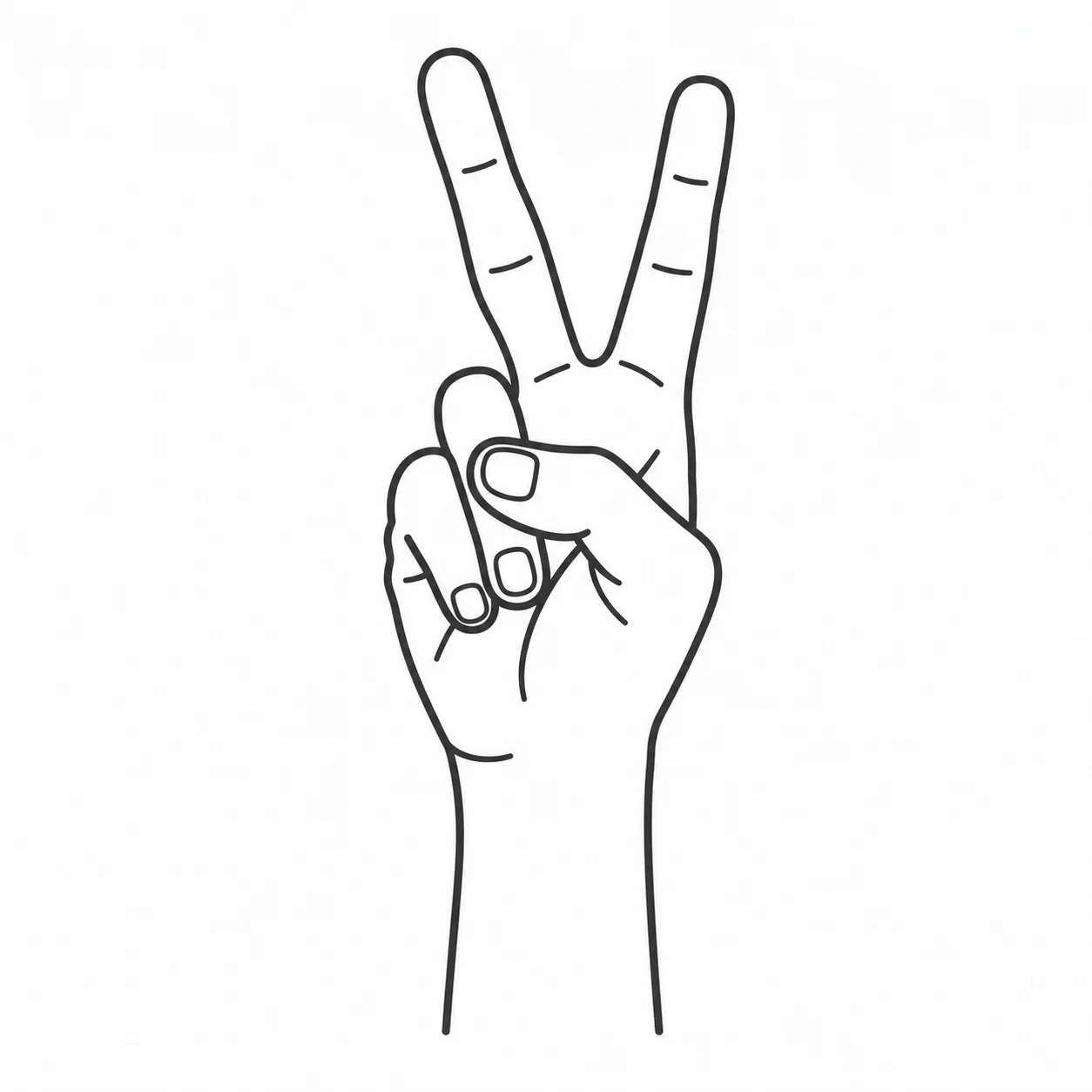
Index and middle fingers point up in a spread V shape. Open the gap clearly so it does not read as U.
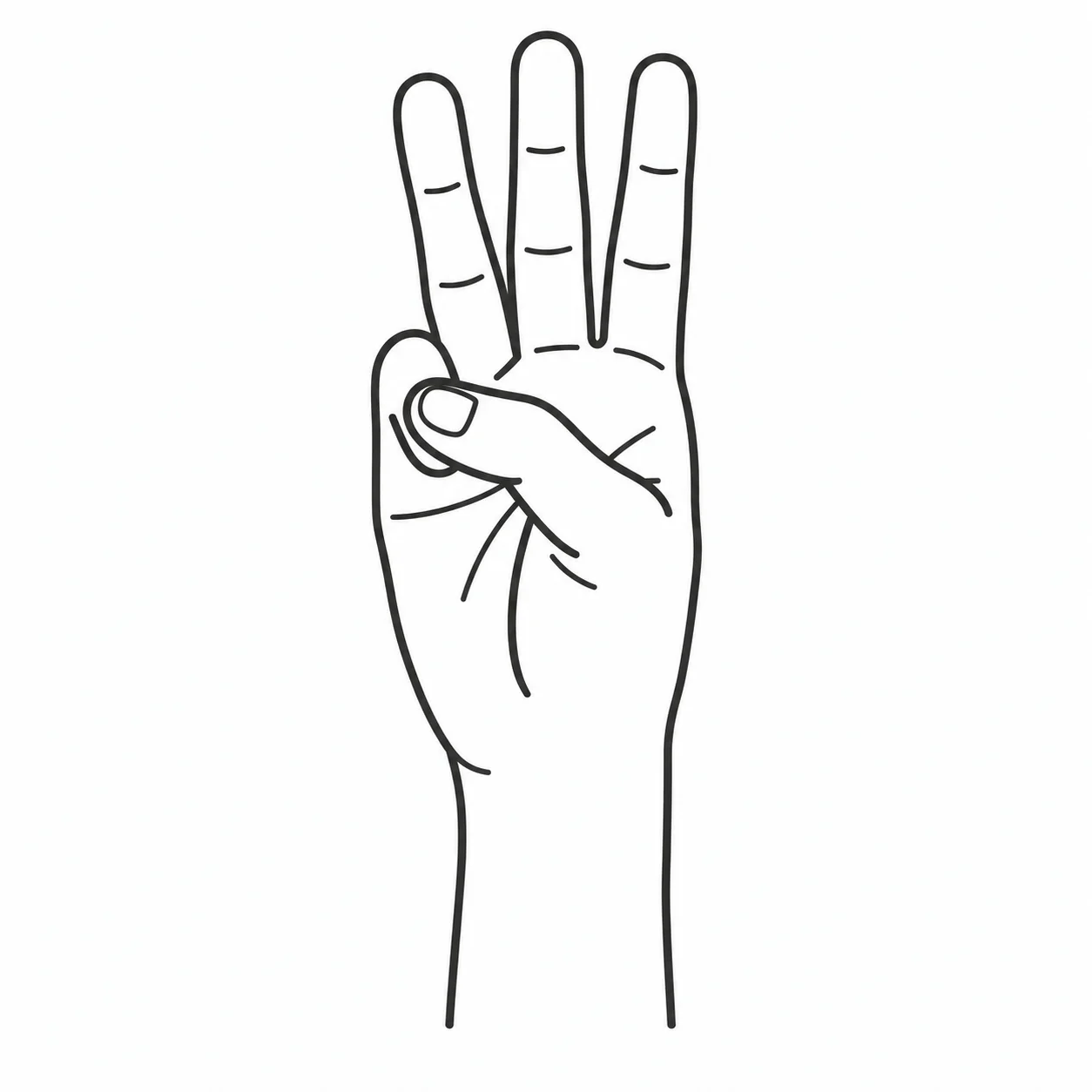
Index, middle, and ring-3 fingers spread upward. Use three clear points and keep the thumb folded.
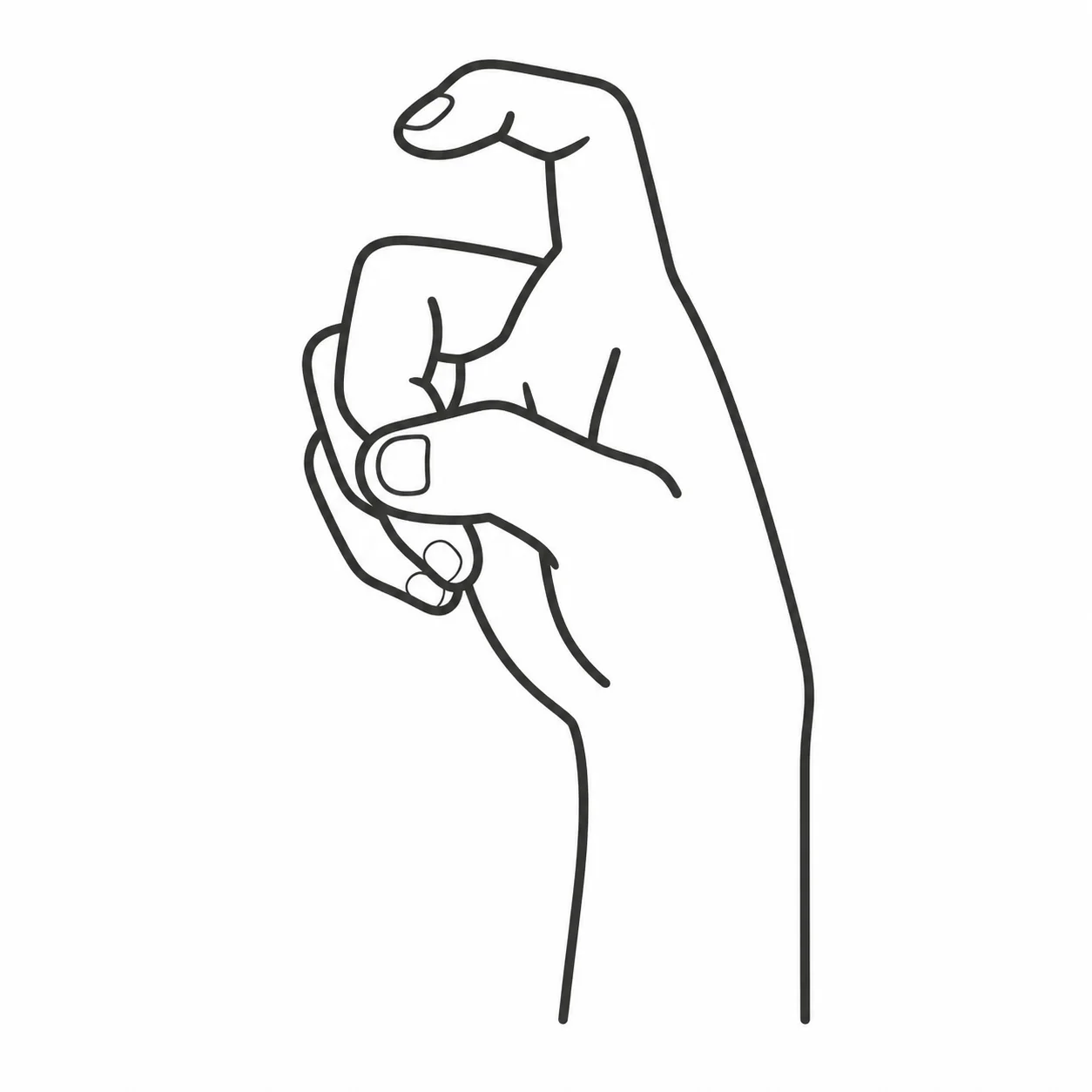
Index finger bends into a hook while the rest of the hand stays in a fist. The hooked index finger is the whole signal; keep it obvious.
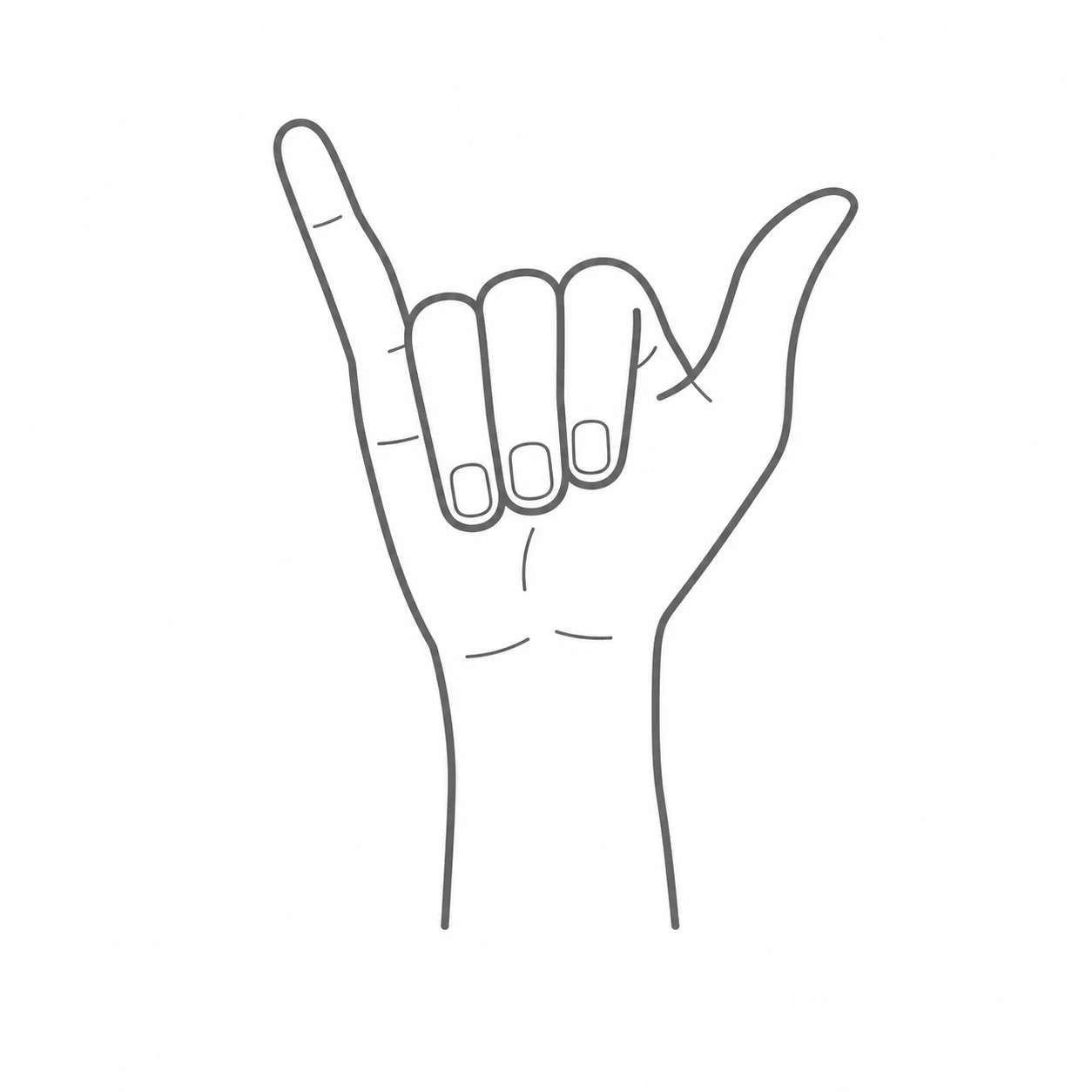
Thumb and pinky extend outward while the middle fingers stay folded. Stretch the two outer points cleanly without opening the whole hand.
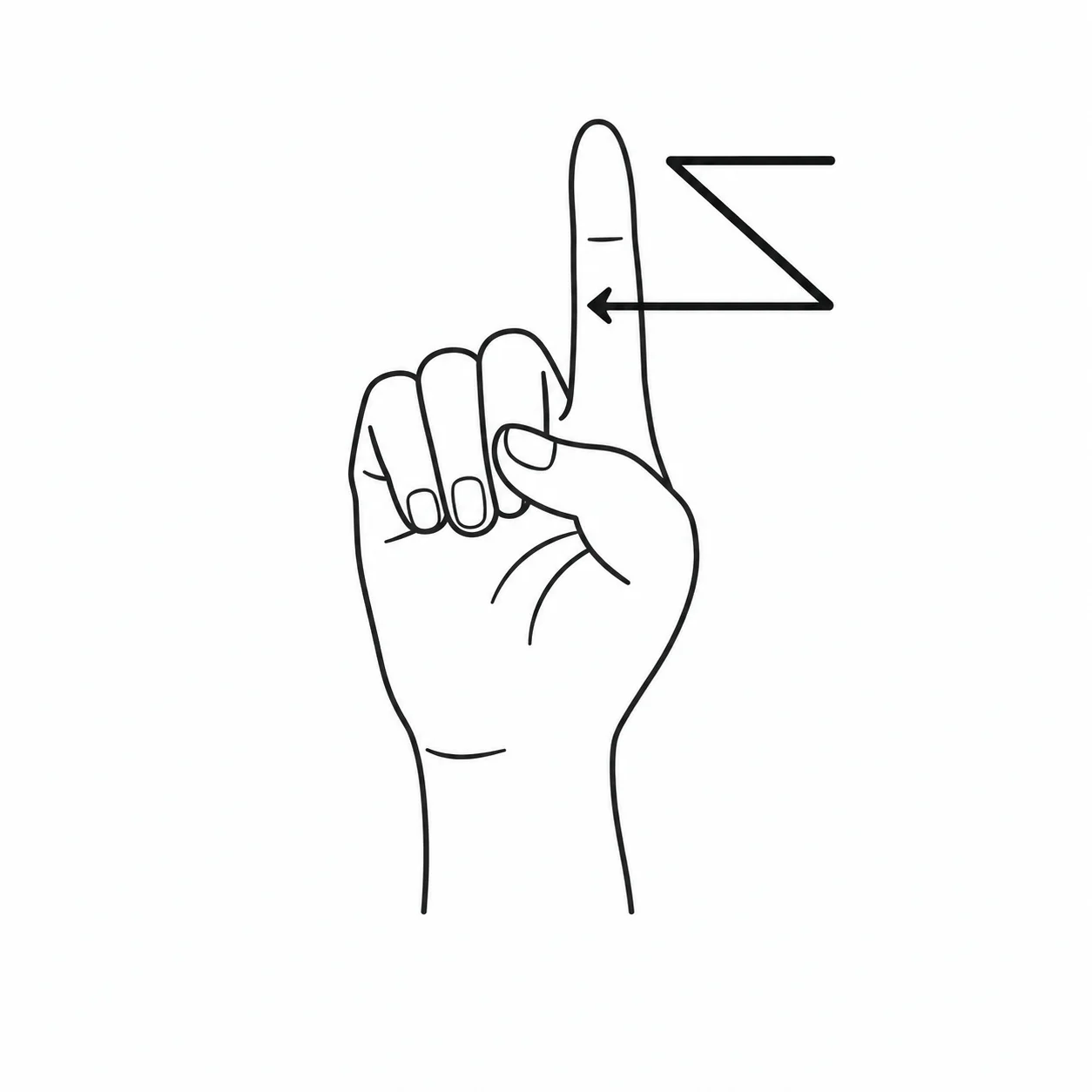
Index finger points out and draws a Z shape in the air. Use the motion path; a frozen frame is not enough.
Select a letter
Fingerspelling basics
How the ASL alphabet works beyond the chart
Learning the ASL alphabet is often one of the first steps into American Sign Language. A chart is a helpful starting point because it lets you see each letter clearly. But fingerspelling is more than memorizing handshapes from A to Z. In real ASL, the alphabet is used as a practical tool: to spell names, clarify specific words, and support communication when there is no common sign for something.
What is fingerspelling?
Fingerspelling means using the ASL alphabet, also called the American manual alphabet, to spell words with one hand. Each handshape represents one letter, and the letters are shown one after another to form a word.
In American Sign Language, fingerspelling is used alongside regular signs. It is not separate from ASL, and it is not a replacement for ASL vocabulary. Instead, it helps signers spell words when the exact written form matters, such as a person’s name, a place, or a specific term.
When to use fingerspelling
The ASL alphabet is most useful when you need to spell something exactly. You will often see fingerspelling used for:
- people’s names
- city and place names
- brands and company names
- book, movie, or song titles
- technical words
- new or specialized terms
For beginners, fingerspelling is one of the most practical ways to start using the sign language alphabet in real situations. You can use it to introduce yourself, spell your name, ask about a word, or clarify something before you know a larger ASL vocabulary.
See how any word is fingerspelled
Type a name or short phrase and play it as a simple ASL letter-by-letter preview.
How real fingerspelling looks in practice
When you first learn from an ASL alphabet chart, each letter is usually shown clearly and separately. That is useful for learning the handshapes, but real fingerspelling often looks different.
In conversation, fingerspelling can be faster, smoother, and more connected. Skilled signers do not always pause between every letter. Some handshapes may blend slightly as the word moves from one letter to the next. Instead of seeing isolated letters like on a poster, you may start to notice rhythm, flow, and word patterns.
That is normal. The chart gives you the foundation, but practice helps you recognize how fingerspelling looks in real ASL.
When not to rely on fingerspelling
Learning the ASL alphabet is a great first step, but it is not the same as learning American Sign Language. Fingerspelling is only one part of communication.
Real ASL also depends on:
- signs for words and ideas
- grammar
- facial expressions
- body movement
- space
- natural signing patterns
So while the alphabet is useful, it should not become your only strategy. If you spell every word letter by letter, communication becomes slow and unnatural. The goal is to use fingerspelling when it helps, while gradually building real ASL vocabulary and comprehension.
ASL vs other sign language alphabets
The ASL alphabet is not universal. Different sign languages use different manual alphabets. Some countries use a one-handed alphabet like ASL, while others use a two-handed alphabet.
That means an ASL alphabet chart is specifically for American Sign Language. If you are learning ASL, focus on the ASL manual alphabet rather than assuming that all sign language alphabets are the same. This will help you learn more accurately and avoid mixing systems from different sign languages.
Practice focus
Compare ASL letters beginners often mix up
Some ASL handshapes look close at first glance. Use this slider to compare thumb placement, finger count, palm direction, and movement before you review or print the full chart.
Easily confused pairs
Use the arrow keys or swipe to move between pairs.
D vs F
Upright index vs. circle shape
D points upward with a tall index finger. F closes a circle with the thumb and index finger.
M vs N vs T
Finger count over thumb
These three rely on thumb placement. Count how many fingers cross over the thumb.
K vs P
Upright vs. downward tilt
They share the same base handshape. The difference is upright versus downward tilt.
G vs Q
Horizontal vs. downward angle
Both use a sideways pinch shape. Q points downward while G stays horizontal.
1 / 4
Free reference
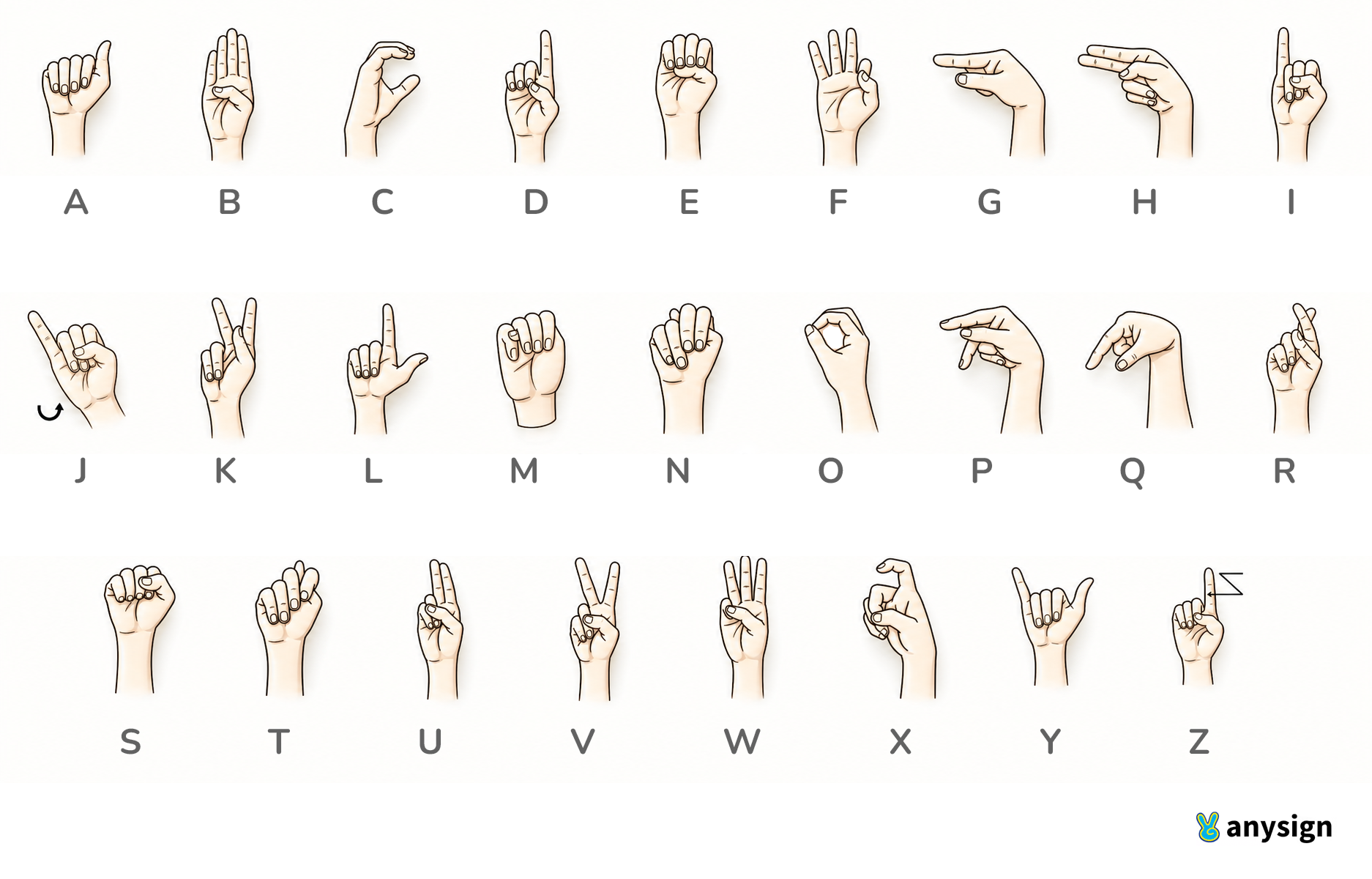
Download the ASL alphabet chart
Save the full A-Z American Sign Language alphabet chart for quick review, classroom reference, or printing alongside your interactive practice.
Resources
Further reading and references
Trusted starting points for how ASL works, how the Deaf community uses it, and what the manual alphabet is for.
Verified by
The ASL alphabet content on this page is created, reviewed, and regularly updated by the Anysign editorial team together with Deaf native signers and specialists in American Sign Language.
- NIDCD (NIH): American Sign Language
What ASL is, how it relates to English, and how fingerspelling fits in — from the U.S. National Institute on Deafness and Other Communication Disorders.
- NAD: American Sign Language
The National Association of the Deaf on ASL as a language, culture, and a foundation for education and access in the United States.
- RIT/NTID: American Sign Language & deaf higher education
The National Technical Institute for the Deaf at RIT: bilingual education, professional pathways, and the role of ASL on campus and in the workplace.
- Gallaudet University: ASL (department overview)
Context on ASL at a university for deaf and hard-of-hearing students, including links to sign language and Deaf studies resources.
FAQ
FAQ: ASL Alphabet and Fingerspelling
What is the ASL alphabet?
The ASL alphabet is the manual alphabet used in American Sign Language. Each letter of the English alphabet has a specific handshape. It is mainly used for fingerspelling names, places, brands, titles, technical words, and words that do not have a commonly used sign. Learning the ASL alphabet is one of the first steps for many beginners, but it is only one part of learning ASL.
Is the ASL alphabet the same as the sign language alphabet?
Not exactly. Many people search for “sign language alphabet” when they mean the ASL alphabet, but sign languages are not universal. American Sign Language uses a mostly one-handed manual alphabet. Other sign languages, such as British Sign Language, use different alphabet systems. This page focuses on the ASL alphabet used in American Sign Language.
What is fingerspelling in ASL?
Fingerspelling means spelling a word letter by letter using the ASL manual alphabet. Instead of writing or speaking the letters, you form them with your hand. In ASL, fingerspelling is commonly used when a word needs to be spelled exactly, especially names, locations, brands, abbreviations, and words without a standard sign.
When do you use fingerspelling?
You use fingerspelling when you need to communicate a specific word clearly. Common examples include your name, someone else’s name, a city, a school, a company, a title, or a technical term. Fingerspelling is useful, but fluent ASL users do not spell every word. They combine fingerspelling with signs, facial expressions, body movement, and ASL grammar.
Is learning the ASL alphabet enough to know ASL?
No. The ASL alphabet helps you fingerspell words, but it does not teach you the full language. ASL also has its own signs, grammar, facial expressions, classifiers, and sentence structure. The alphabet is a helpful starting point, especially for names and unknown words, but real communication requires learning signs and how ASL sentences work.
Why do the letters J and Z move in the ASL alphabet?
Most ASL alphabet letters are still handshapes, but J and Z include movement. For J, the hand traces the shape of the letter J in the air. For Z, the index finger traces a Z-shaped path. That is why these two letters are harder to learn from a static chart alone and are easier to understand with video or animation.
Which ASL alphabet letters are easiest to confuse?
Beginners often confuse letters with similar handshapes or palm orientation. Common examples include M, N, and T, because the thumb position changes only slightly. Other tricky pairs include D and F, G and Q, K and P, H and U, and I and J. When practicing, look closely at finger placement, thumb position, palm direction, and movement.
Why does real fingerspelling look different from an alphabet chart?
An alphabet chart shows each letter separately and clearly. Real fingerspelling is smoother and faster because the hand moves from one letter to the next inside a full word. Some handshapes may look slightly different in motion. That is normal. Beginners should first learn clear individual letters, then practice recognizing fingerspelled words at a slower speed.
How can I practice the ASL alphabet?
Start by learning a few letters at a time instead of trying to memorize all 26 at once. Practice your own name, then short words. After that, test yourself by looking at a handshape and naming the letter. The next step is receptive practice: watching someone fingerspell and trying to read the letters or word.
Which hand should I use for the ASL alphabet?
Most people use their dominant hand for fingerspelling. If you are right-handed, use your right hand. If you are left-handed, use your left hand. The most important thing is to stay consistent, keep your hand visible, and form the letters clearly. You do not need to switch hands while fingerspelling.
Is there a printable ASL alphabet chart?
Yes. The downloadable ASL alphabet chart on this page is useful for quick review, classroom use, and beginner practice. It helps you see all 26 letters in one place and compare similar handshapes. For best results, use the chart together with video or interactive practice, especially for moving letters like J and Z.
What should I learn after the ASL alphabet?
After learning the ASL alphabet, continue with basic signs and simple phrases. Good next topics include greetings, numbers, family signs, colors, days of the week, common questions, and everyday conversation phrases. You can also keep practicing fingerspelling names and short words so the alphabet becomes useful in real communication.